Table of Contents
TogglePublished April 24, 2026
Written by Hayden Studer
One of the biggest misconceptions about purchasing a backyard shed is that they have a single fixed price, but in reality, shed pricing is built step-by-step. If you’ve been searching “how much are sheds” or comparing storage shed prices, you’ve probably noticed that pricing can feel inconsistent at first. That’s because buying a backyard building isn’t a one-step decision; it’s a process.
Whether you’re considering a small 8×8 shed or exploring large storage shed prices, this guide will walk you through how pricing really works in 2026 at Backyard Outfitters.
How Shed Pricing Actually Works
Whether you’re a homeowner, farmer, or business owner, most buyers follow a similar journey when pricing a shed. Understanding that process from start to finish is the key to knowing what you will actually pay.
At a high level, the process looks like this:
- Choose a standard building style and size
- Select an add-on package
- Opt for a specialty building instead
- Customize with individual options and add-ons
- Factor in promotions or sales
- Decide how to pay
As you move through each step, the price of your building evolves, empowering you to create the perfect combination of cost and function.
Step 1: Start With A Standard Building And Size
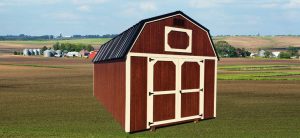
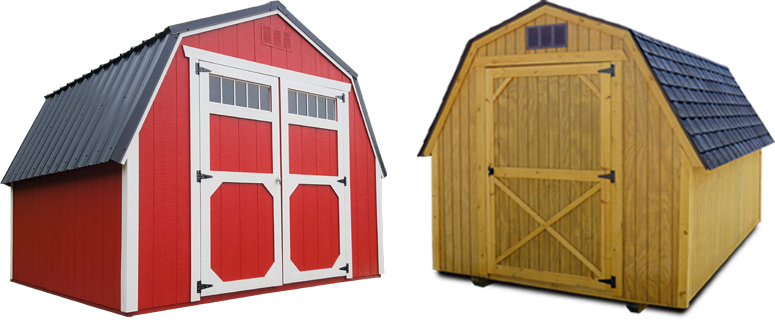
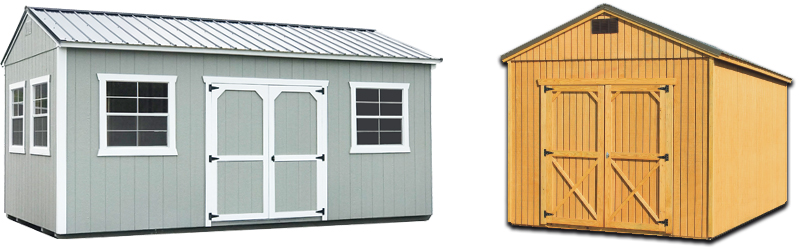
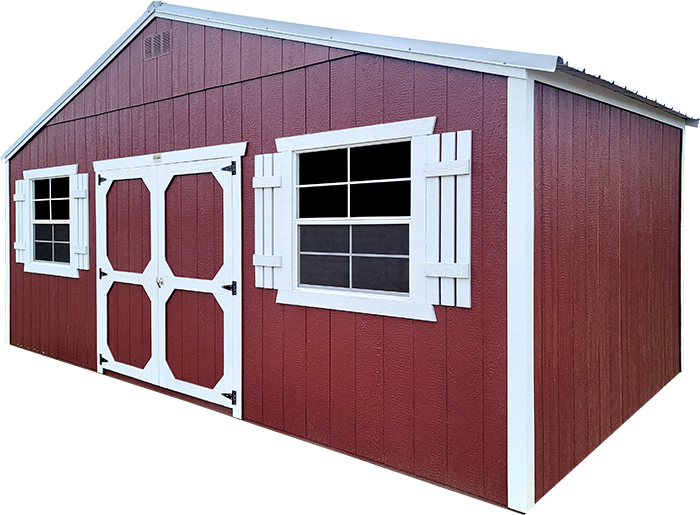
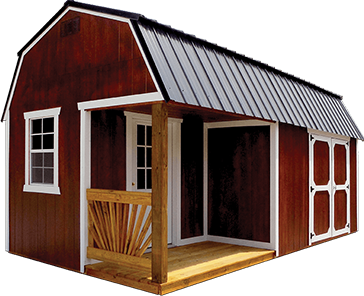
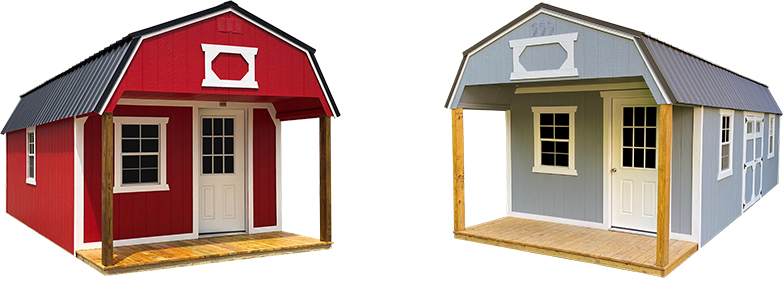
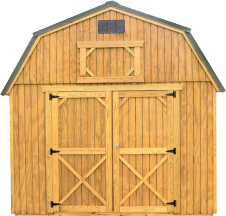
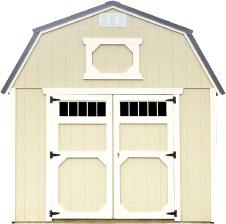
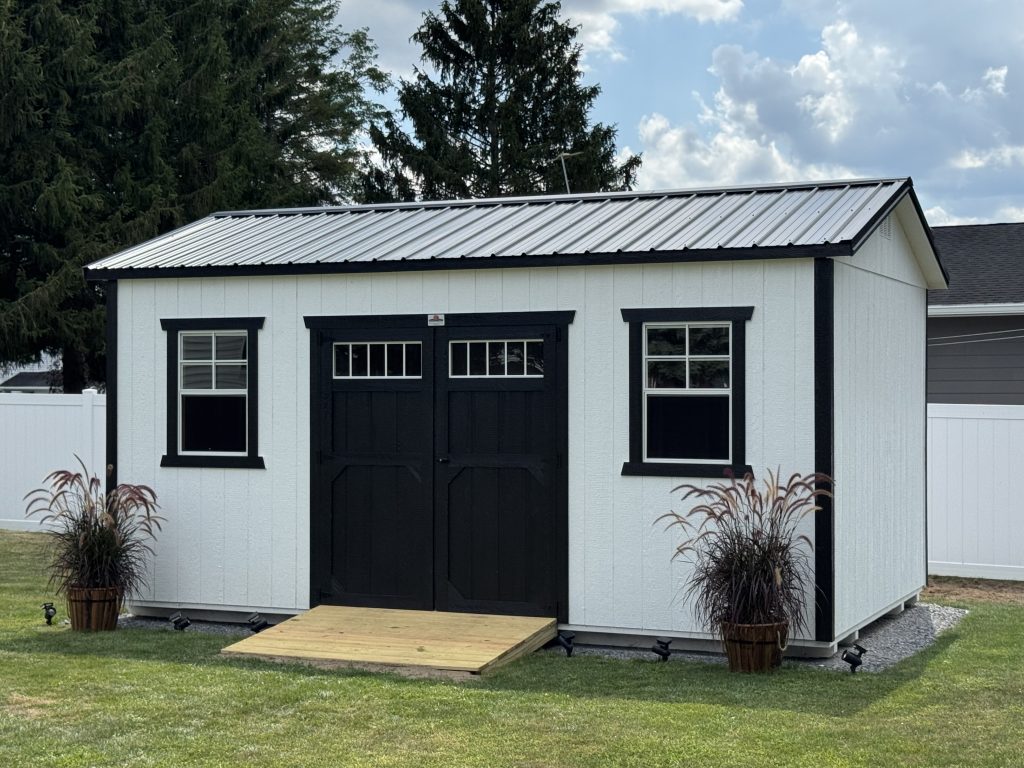
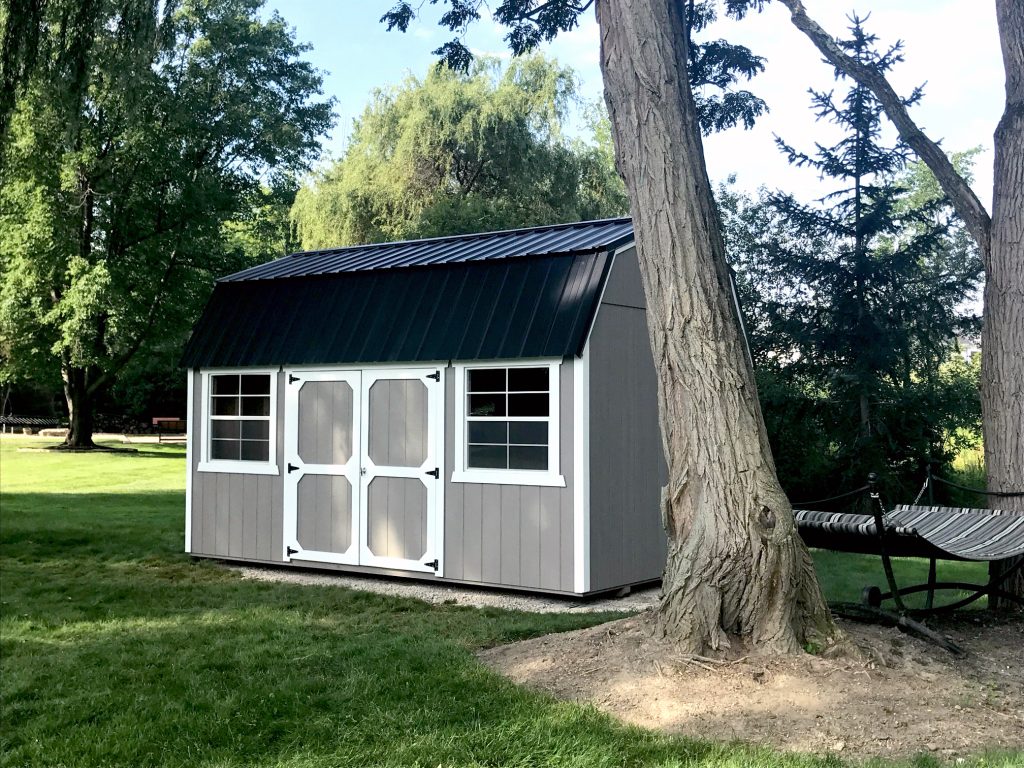
After browsing “sheds for sale near me”, your buying journey begins by choosing one of our standard buildings: a Utility Shed or Lofted Barn. Utility Sheds are simple and practical, while Lofted Barns provide extra overhead storage space. This is where your base price is set.
Once you choose the style, the next decision is size, the single biggest factor affecting cost.
Here’s a quick look at how pricing typically starts:
General Size
Utility Shed
Lofted Barn
Small
$2,400 – $4,200
$3,300 – $5,600
Medium
$5,300 – $10,000
$5,800 – $10,000
Large
$10,200 – $17,000
$11,000 – $17,500
Step 2: Add a Package to Upgrade The Building
After selecting a shed type and size, many shed buyers choose to upgrade its appearance or functionality with an add-on package. This is where a basic shed starts to feel more like a finished space.
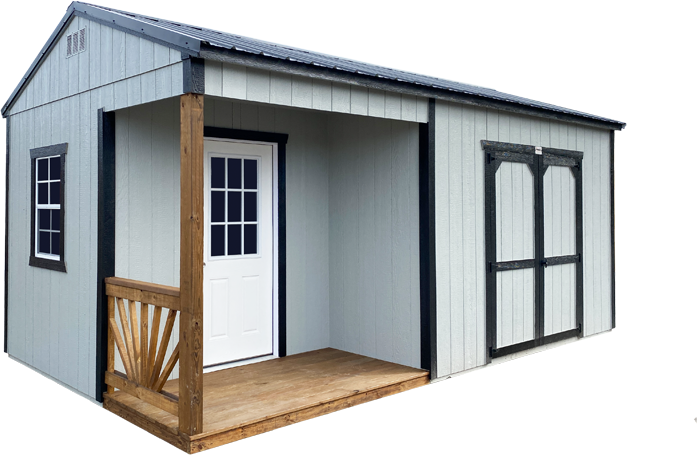
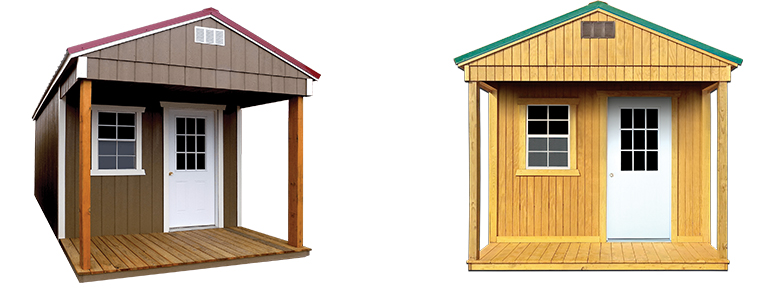
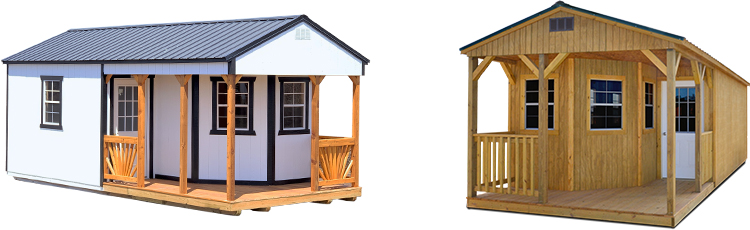
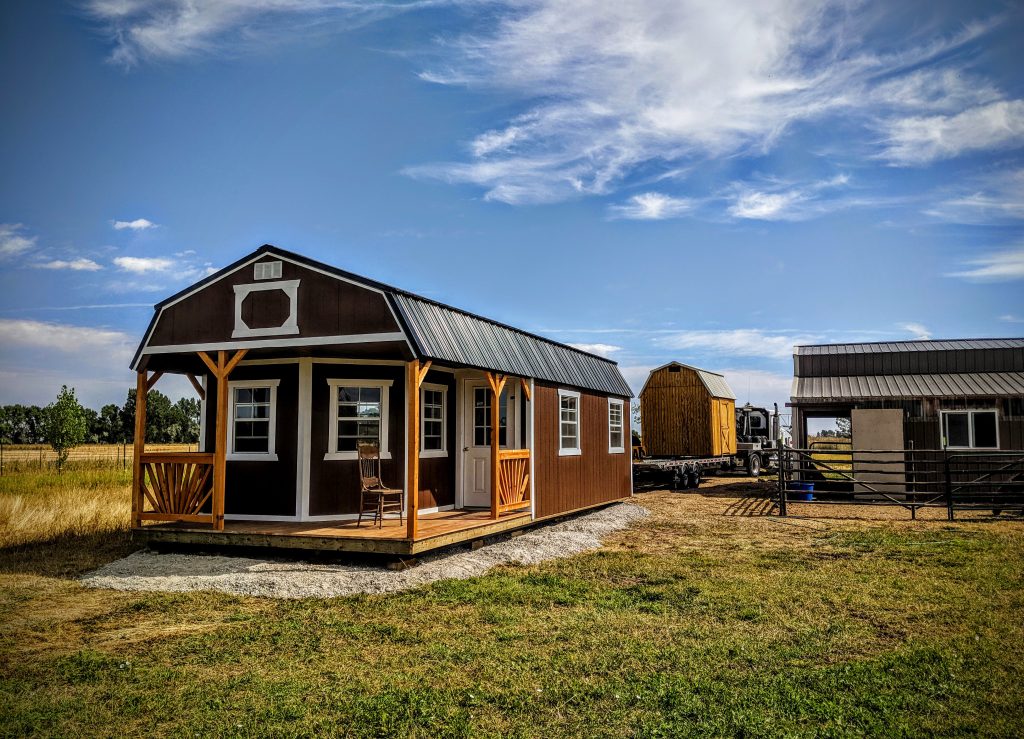
Add-on packages are an economical way to add popular features that make your building stand out. Common upgrades include porch additions, playhouse packages, or deluxe cabin options, which typically range from around $965 to $1,765 in addition to the base price of the shed.
Think about this step as a transformation.
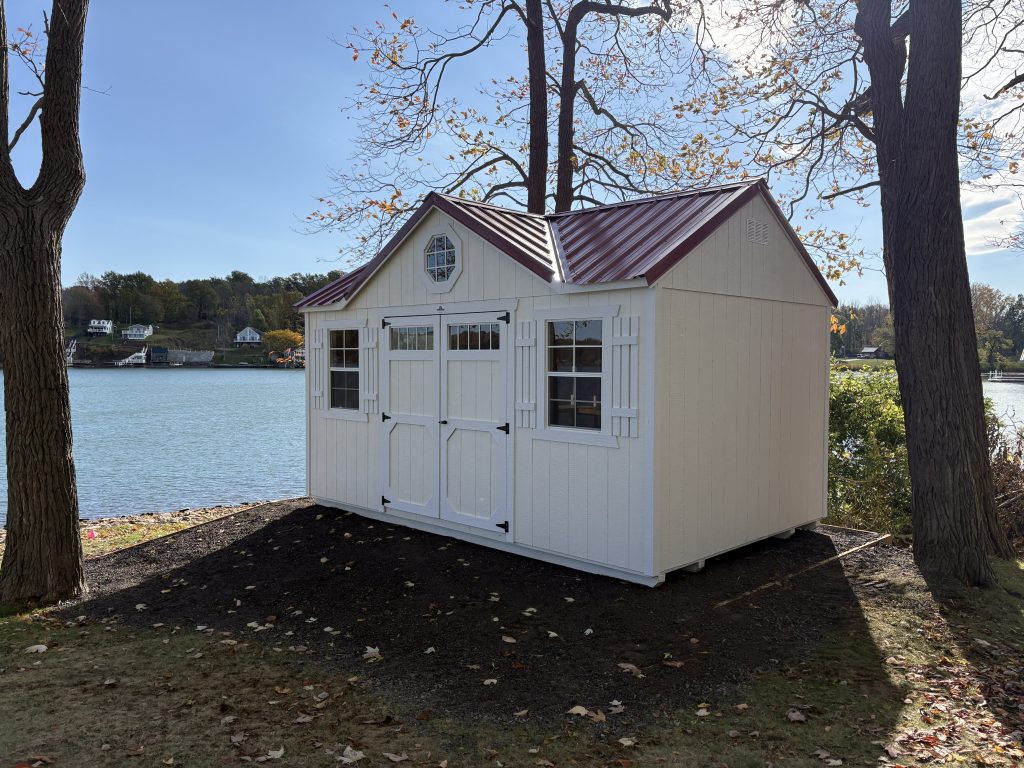
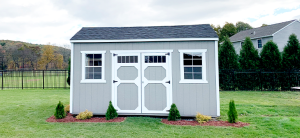
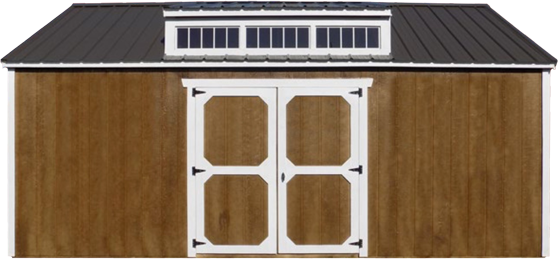
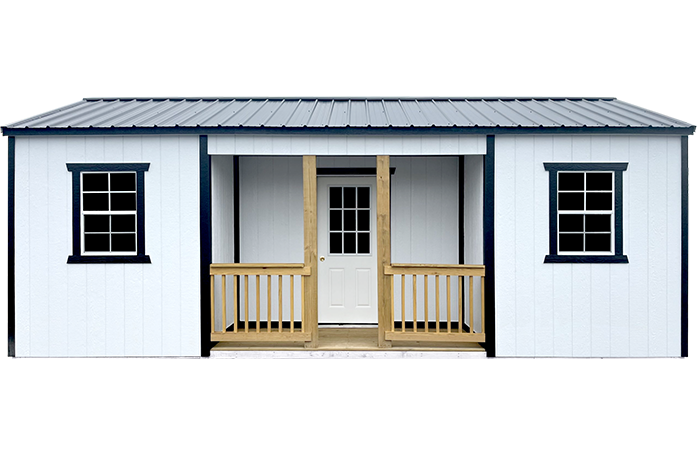
Utility Shed with Gable Dormer Package
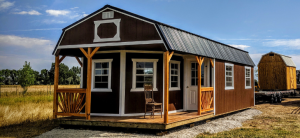
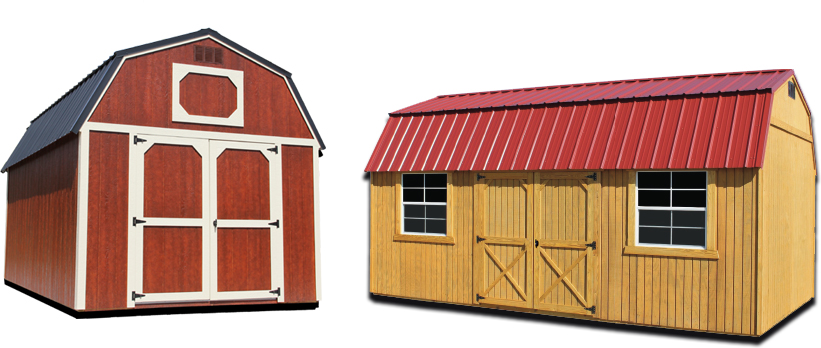
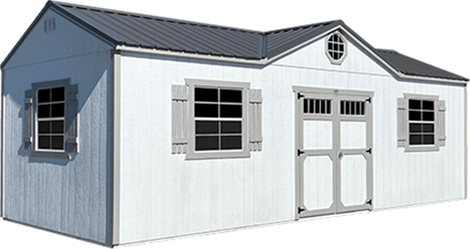
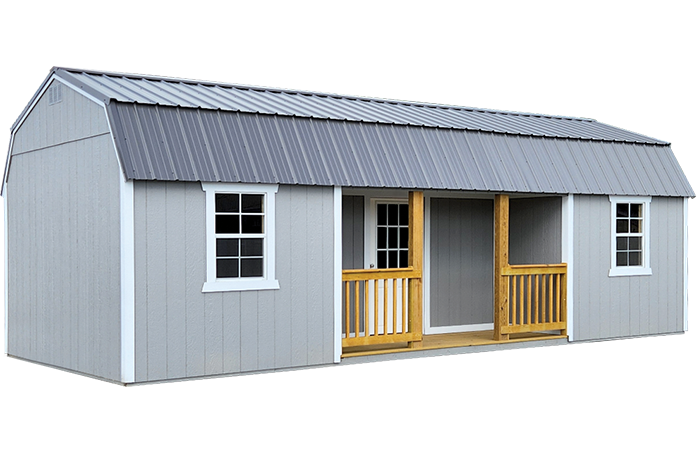
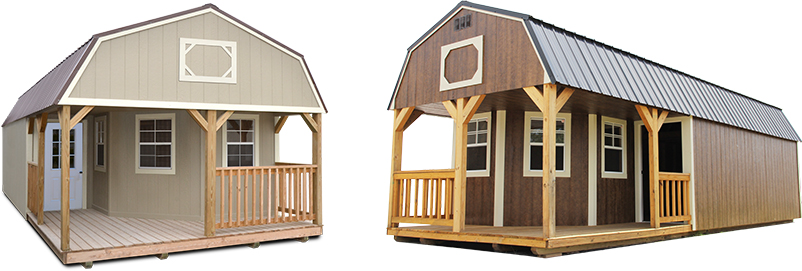
Add-ons are an affordable way to completely change how the building looks and how it’s used. For example, adding a porch or cabin-style package can turn a Lofted Barn into a far more versatile and visually appealing Deluxe Lofted Cabin.
Lofted Barn with Deluxe Cabin Package
Step 3: Consider A Specialty Building
Not every buyer wants to start from a blank slate. Specialty buildings are designed for a specific purpose from the start, with no customizations required.
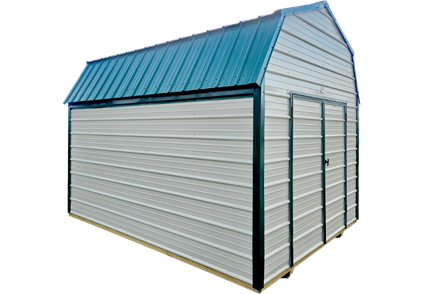
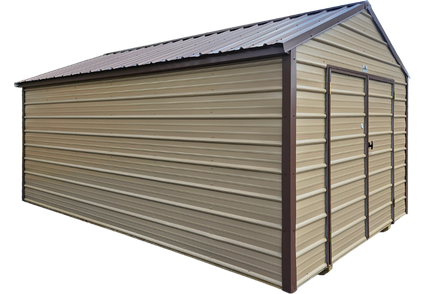
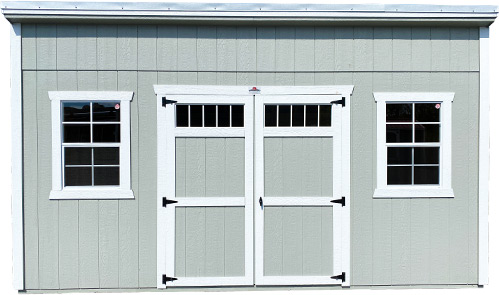
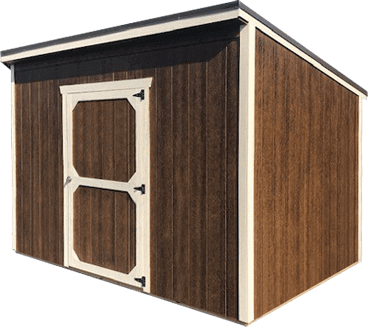
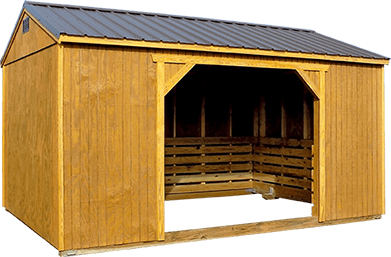
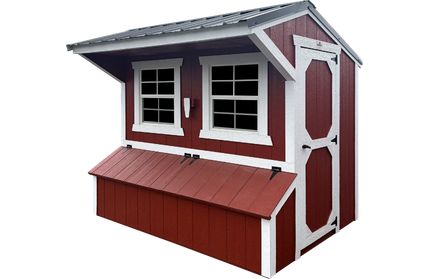
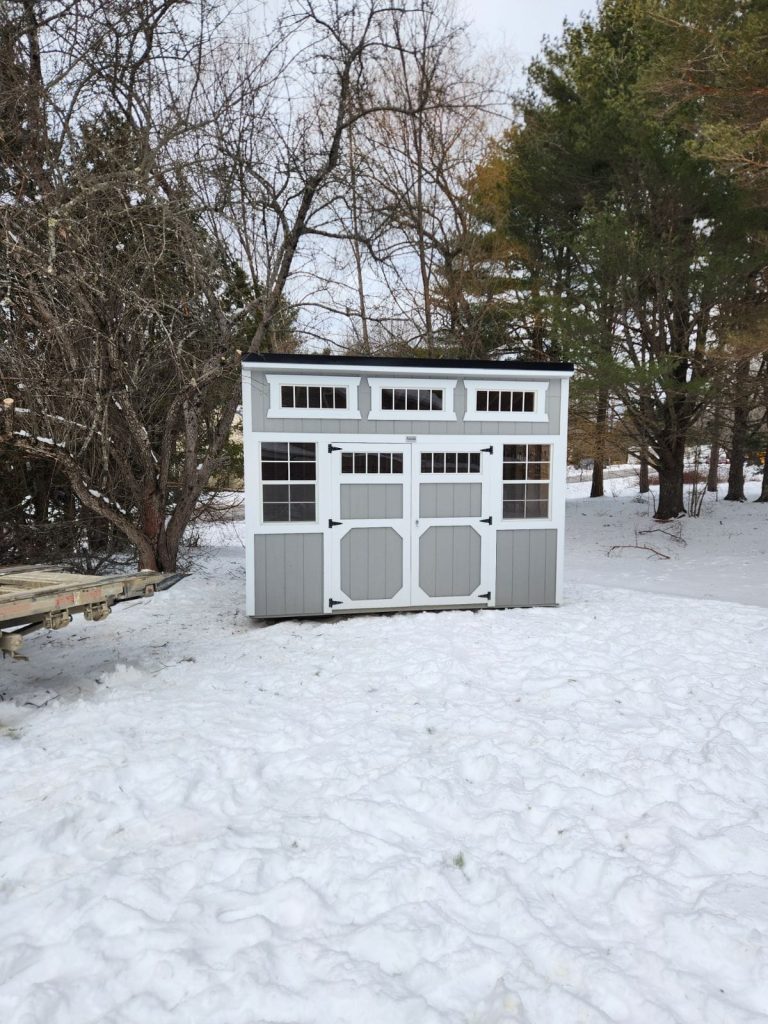
Specialty buildings include things like Animal Shelters, Single Slope sheds, and Mini Barns. These often appeal to buyers who already know exactly how they plan to use the structure, whether that’s for livestock, a workshop, or a more modern backyard setup.
Pricing for these buildings overlaps with standard sheds but can scale higher depending on size and design:
Specialty Building
Price Range
Mini Barns
~$2,300 – $6,600
Metal Sheds
~$2,300 – $7,000
Metal Lofted Barns
~$2,900 – $8,000
Single Slope Sheds
~$3,000 – $14,300
Animal Shelters
~$3,000 – $17,200
Single Slope Shed
While these buildings may cost more upfront, they actually give better value by eliminating the need for more customizations later.
Step 4: Customize With Options & Add-ons
Once the building is chosen, whether standard or specialty, the next step is customization. This is where you can ensure your building falls within your budget.
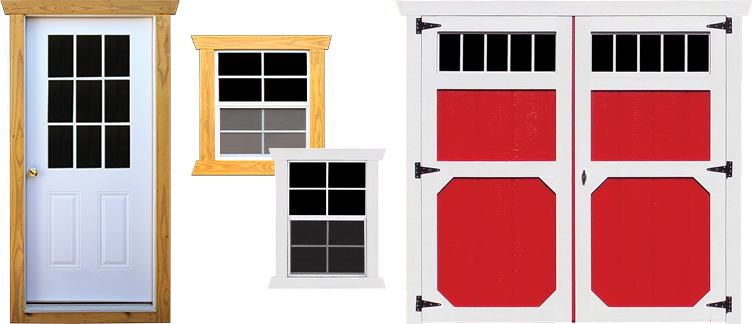
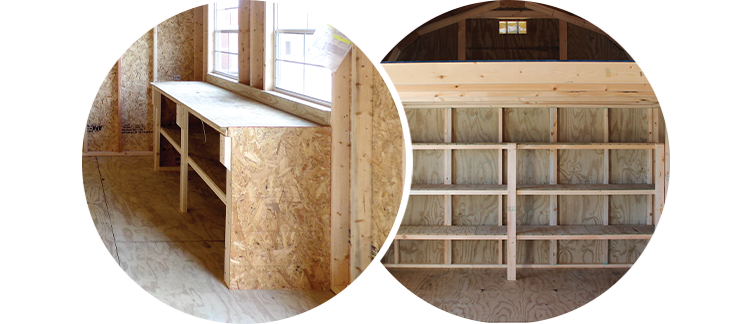
Shed buyers often choose Options & Add-ons like windows, upgraded doors, paint options, shelving, or loft space. Individually, these upgrades may seem small, but their impact on your building far outweighs the additional cost.
For example, adding windows may range from about $105 to $300, depending on the size selected, and garage doors can exceed $800, but functional upgrades like shelving or lofts are typically priced per foot, allowing you to tailor the space to your needs.
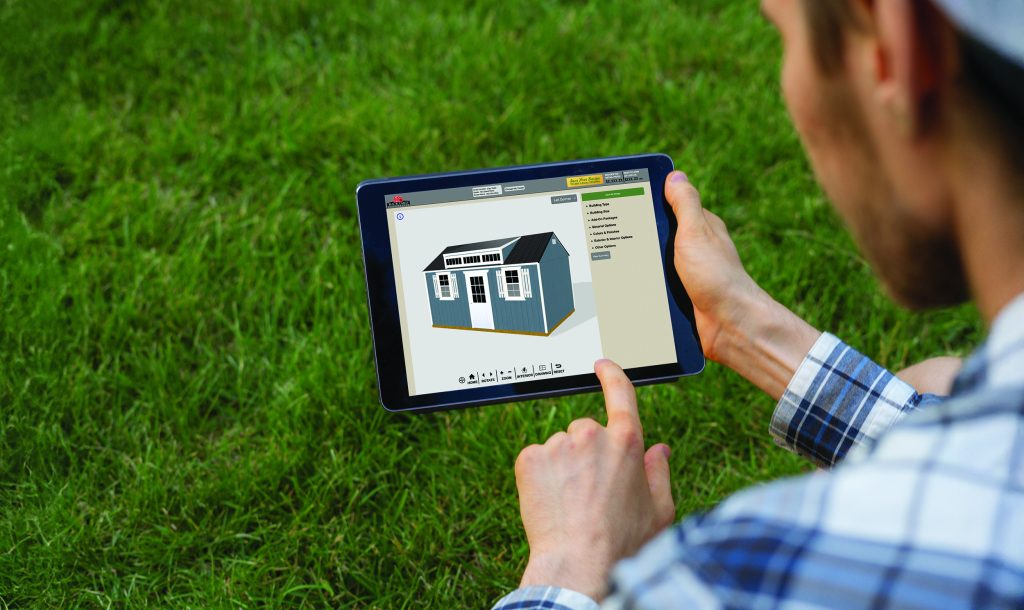
Because there are so many combinations, estimating prices manually can be difficult. That’s why many buyers use our 3D Shed Designer, which allows you to design your shed and see real-time pricing as you add features and colors. It’s one of the most effective ways to understand your true cost before committing.
Step 5: Timing Can Impact Your Price
We know there are many shed suppliers to choose from, which is why we run promotions regularly and offer meaningful discounts depending on inventory. For example, a sale could save you 5–10% off newer inventory and up to 25% off older inventory! That means big savings on sheds large or small!
It’s important to note that these promotions change frequently, and pricing is not fixed. Make sure to look at the current Sales Promotion to lock in the price of your building before it changes.
Step 6: Choose How You Pay
The final step in the process is deciding how to pay for your shed.
While many buyers choose to pay upfront, Rent-to-Own (RTO) has become a popular alternative. This option allows you to spread payments out over time without requiring a credit check. Our RTO program includes a small upfront deposit – typically around $100 for smaller sheds – with flexible monthly payments over 36 or 60 months.
For shed buyers focused on monthly affordability rather than total upfront cost, this can make larger or upgraded sheds more accessible.
What Should You Expect to Pay in 2026?
After walking through the full buying journey, most shed prices fall into three general ranges:
- Entry-level sheds typically range from $2,300 to $3,500
- Mid-range sheds with upgrades often fall between $3,500 and $7,000
- Large or fully customized sheds can range from $7,000 to $15,000+
The key takeaway is that pricing isn’t just about the shed itself — it’s about the decisions you make along the way. From the initial size and style to upgrades, timing, and payment method, each step shapes the final cost.
Now that you know how much a shed costs, download our brochure, reach out to your local Backyard Outfitters dealer, or design a custom backyard building in our 3D Shed Designer to get started!