Table of Contents
TogglePublished May 6, 2026
Written by Hayden Studer
When shopping for large storage sheds, most people focus on size, style, or siding, but the flooring is one of the most important components of any backyard building. It’s the foundation that supports everything you store, protects against moisture, and helps determine how long your building will truly last.
Whether you’re considering outdoor sheds with floors to store lawn equipment and tools or choosing to convert your building to a livable shed, understanding flooring options can save you from costly issues down the road. Let’s break down why the flooring in your shed matters and how to choose the right one.
Why A Shed Floor Is So Important
The right flooring for a high-quality outdoor storage shed does more than just give you a surface to walk on. It plays an important role in:
- Structural Integrity: The floor supports the entire building and everything inside it. Weak flooring can lead to sagging, warping, or even structural failure.
- Moisture Protection: Without proper materials, moisture can seep in from the ground, leading to rot, mold, or mildew.
- Weight Distribution: Heavy items like lawn mowers, ATVs, or shelving units require a floor that can handle concentrated loads.
- Longevity of the Shed: The better the flooring system, the longer your shed will last with minimal maintenance.
Simply put, not all shed floors are created equal, and the differences matter.
Flooring Materials: Choosing What Works For You
At Backyard Outfitters, flooring is designed with both durability and versatility in mind. You can choose between two primary flooring materials depending on your needs.
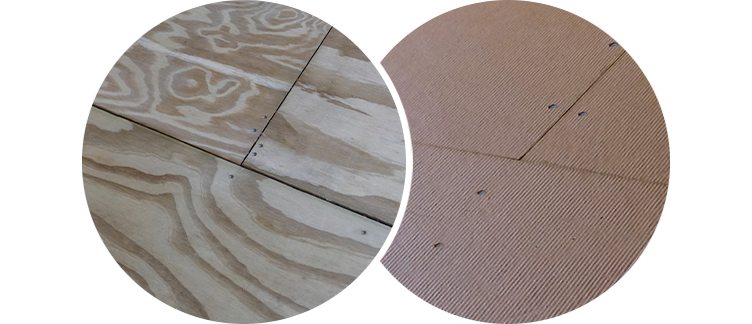
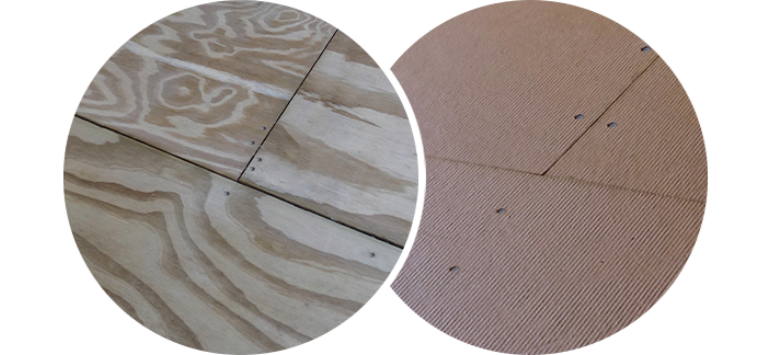
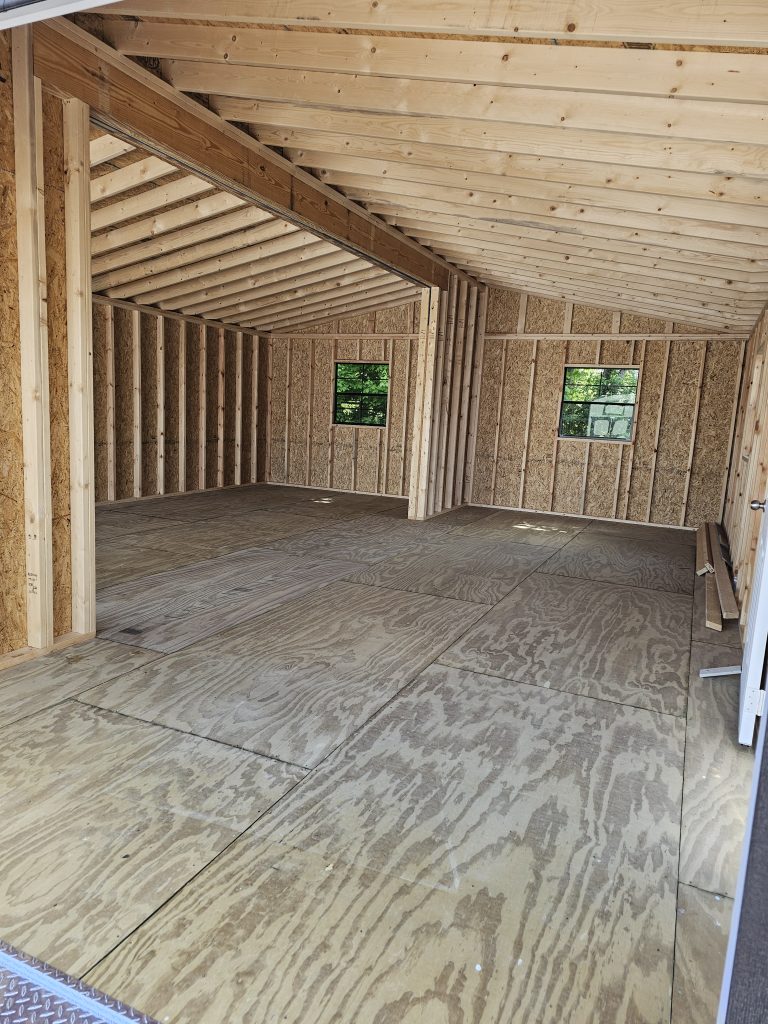
1. Pressure Treated Square Edge Flooring
Best for durability and long-term protection
- 5/8” CDX Grade Pressure Treated Plywood
- Lifetime warranty against termites and fungal decay
- Built to withstand moisture and ground exposure
This option is ideal for anyone who prioritizes longevity over aesthetics. Minor surface variations are part of the treatment process, and a worthwhile trade-off for a floor that resists moisture, termites, and decay for years to come.
Upgrade Options:
- 3/4” Pressure Treated Plywood
- Doubled 3/4” Pressure Treated Plywood for heavier loads
2. Engineered Tongue & Groove Flooring
Best for strength, appearance, and stability
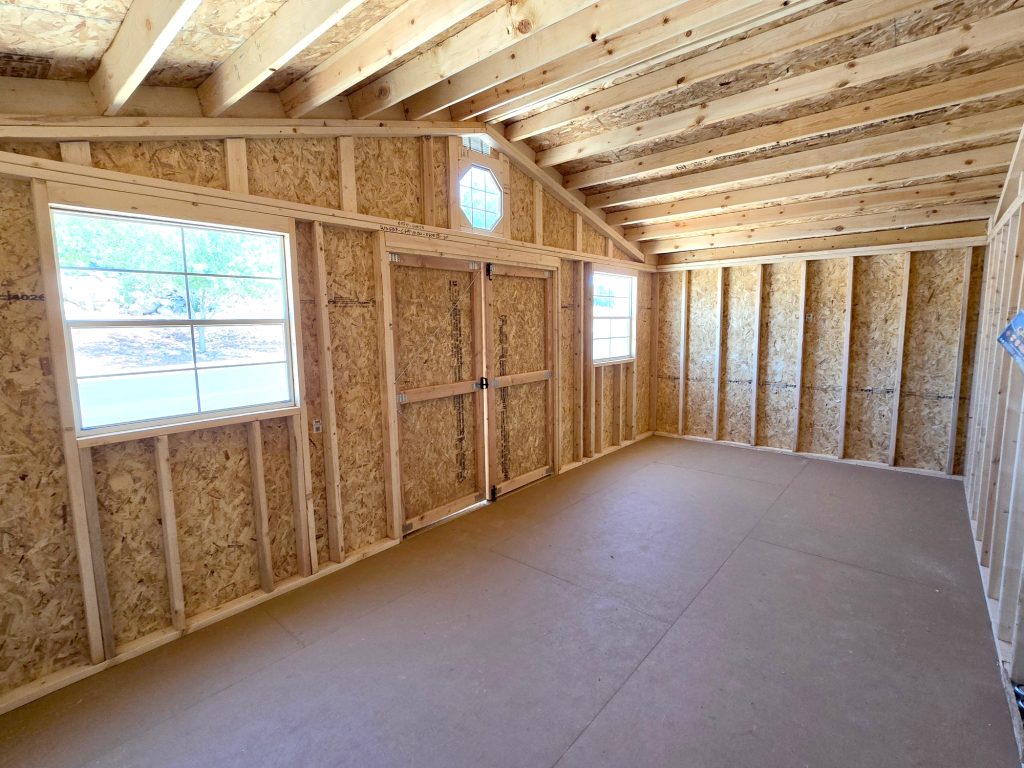
- 5/8” Engineered Tongue & Groove Panels
- Smooth, seamless surface
- Free of knots and patches
- Moisture-resistant advanced resins
The go-to choice for a polished professional finish. The interlocking design minimizes movement and creates a flat, stable surface ideal for workshops, finished interiors, or anywhere appearance matters.
Upgrade Options:
- 3/4” Pressure Treated Plywood
- Doubled 3/4” Pressure Treated Plywood for heavier loads
Floor Joist Construction: The Hidden Strength Factor
The decking material is only part of the story. What’s underneath matters just as much.
Standard Floor System Includes:
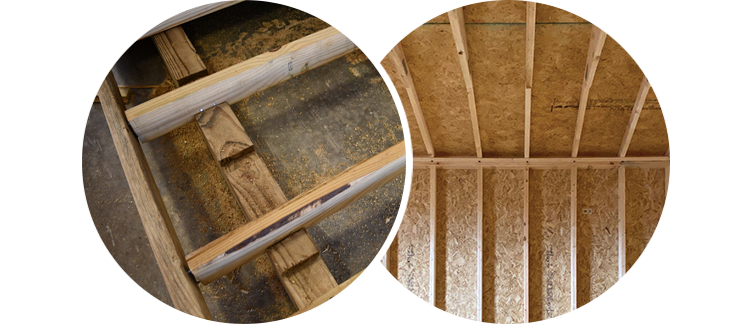
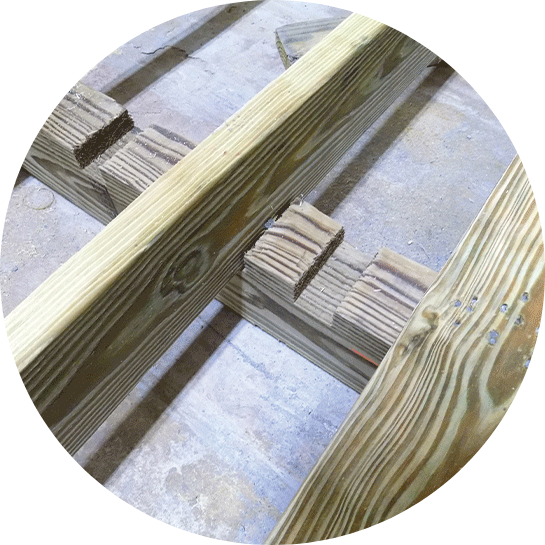
- 2×4 pressure-treated floor joists
- 16 inches on center spacing
Optional Upgrades:
- 12 inches on center (for increased strength; standard on garages)
- 2×6 joists (standard on buildings 14’ wide and larger)
Closer spacing and larger joists dramatically improve load capacity, making them essential for heavy-duty use.
Understanding Shed Floor Load Capacity
One of the most overlooked aspects of a storage shed floor is how much weight it can safely hold.
Why Load Distribution Matters
Typical shed flooring is designed for:
- 300 lbs point load, distributed over at least a 5” x 5” area
This means the weight isn’t just about total pounds, but about how that weight is applied.
Imagine placing a heavy safe or piece of equipment directly on a small surface area. Even if the total weight seems reasonable, concentrated pressure can damage the floor.
That’s why it’s important to:
- Spread weight evenly
- Use mats or platforms under heavy equipment
- Consider upgrades for high-load applications
Recommended Uses Based On Flooring Strength
Standard Flooring (5/8”)
- Lawn tools
- Bikes
- Storage bins
- Light equipment
Upgraded Flooring (3/4” or doubled)
- Riding mowers
- ATVs
- Workbenches
- Heavy shelving
For more demanding uses, upgrading your flooring system is a smart investment that prevents long-term damage. You can learn more about our shed floor load information on our website.
Common Mistakes To Avoid
When buying outdoor sheds with floors, keep an eye out for these common pitfalls:
- Ignoring load capacity → Leads to sagging floors
- Choosing the cheapest material → Shortens lifespan
- Not upgrading for heavy use → Causes long-term damage
- Overlooking moisture protection → Results in rot or mold
Why Flooring Should Be A Top Priority
The floor is quite literally the foundation of your shed’s performance. A well-built outdoor storage shed with a floor provides:
- Long-term durability
- Better protection for your belongings
- Increased structural strength
- Greater versatility for future use
Choosing the right floor for your storage shed ensures your investment stands strong for years to come, no matter what you store inside. Investing in quality flooring now means fewer repairs, better performance, and more value over time.
To envision your perfect outdoor storage shed and map out the cost with different flooring options and other add-ons, begin designing a custom shed with our 3D Builder today.